

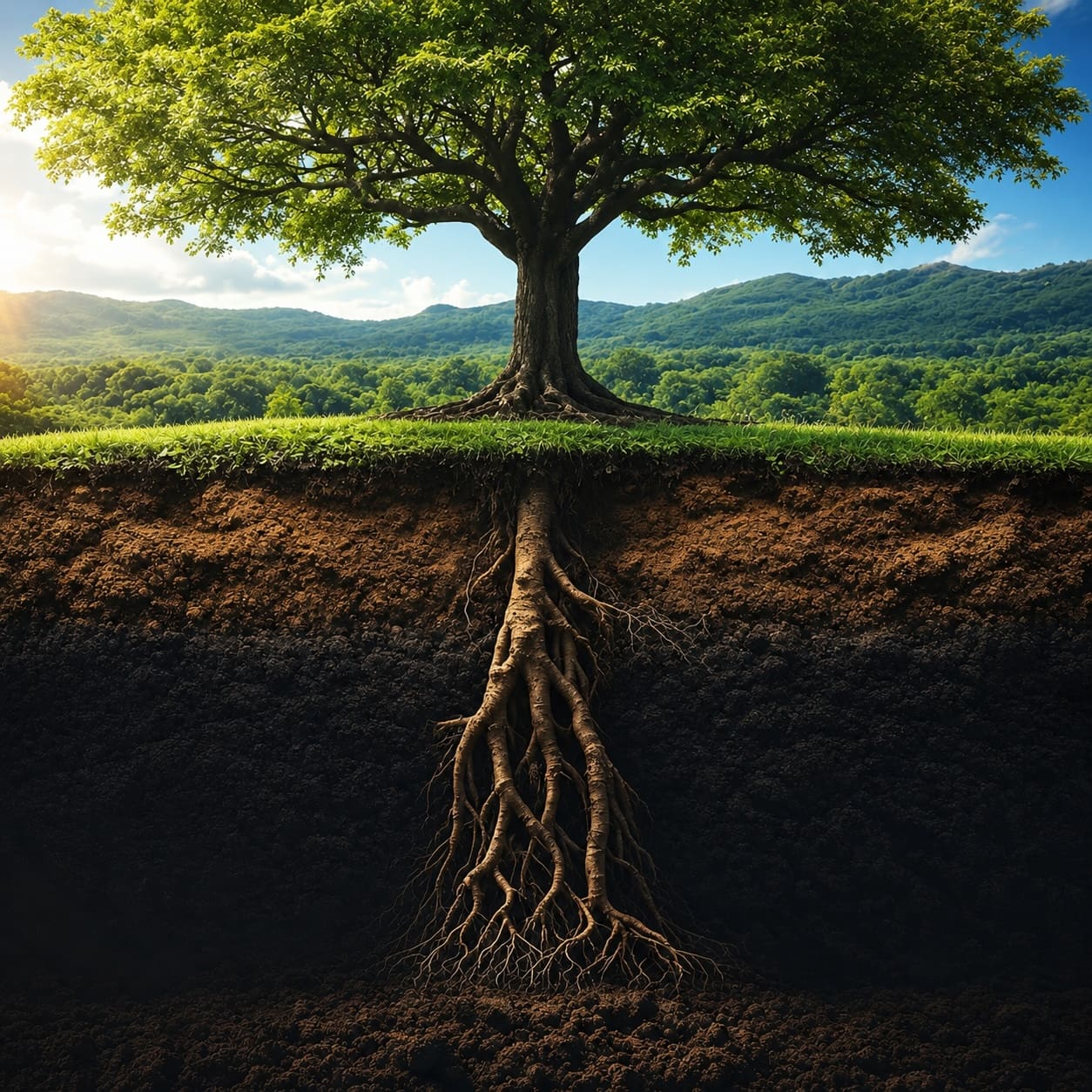
Self-Confidence: Learning to Trust Yourself
Self-confidence is often described as "believing in yourself". While this sounds reassuring, it only tells part of the story. We often think of confidence as something built through success, ability, or achievement. Yet, many capable people continue to doubt themselves while others appear highly confident despite feeling deeply insecure beneath the surface. Perhaps the more meaningful question is not whether we believe in ourselves, but what allows us to trust ourselves.
Navigating Inner Conflict
Most of us like to believe that the real conflicts shaping the world happen “out there”—in governments, in war zones, in the decisions of powerful leaders. But if we’re honest, there’s another kind of conflict we face every day, one that’s quieter but just as persistent. It shows up in the conversations we avoid, the truths we sidestep, and the choices we postpone. As a psychotherapist, I’ve come to see that these inner tensions—between fear and courage, comfort and change—don’t just shape individual lives. They echo, in subtle but striking ways, the very dynamics we witness on the global stage.
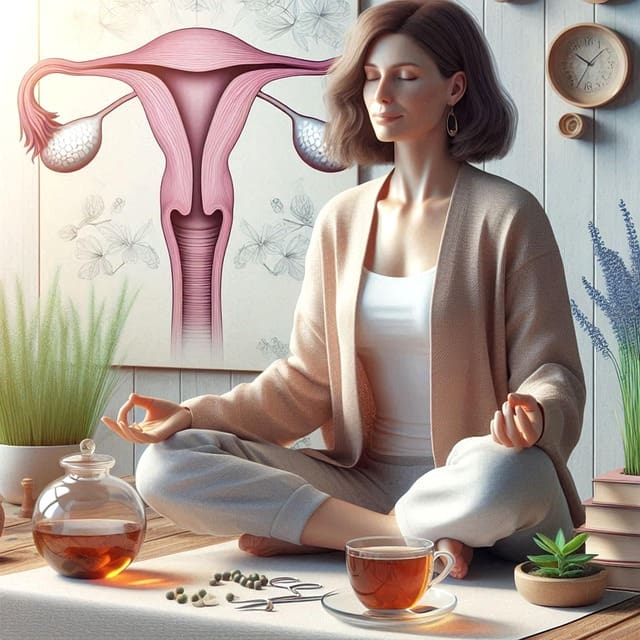
Menopause
Menopause is not just about what is happening to your body, but also about what is happening inside your body. It is often described as a period of transition and transformation, one that not only has a profound physical impact, but also in your emotions. Remember, we are like a machine and, as a finely tuned one, every system in us is interconnected. Every internal system is influenced by this change, initiating a transformation that touches not only the body but also the emotional well-being and the sense of self. Though overwhelming, this process can also foster growth by reshaping perspectives and redefining priorities for the next step.
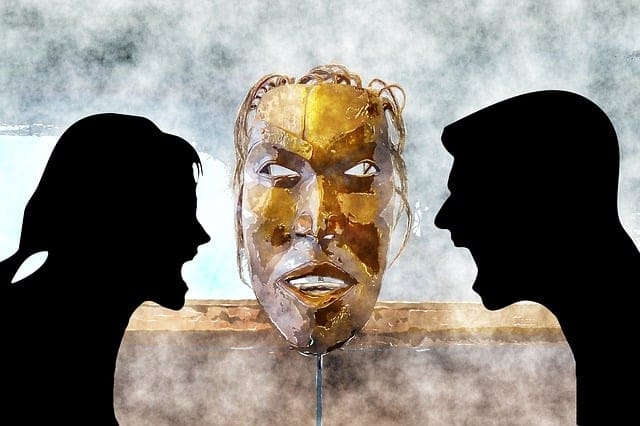
The Complex Landscape of Relationships
Whatever the stage of development, parent-child relationships are inherently complex. This not only impacts but also shapes how a child relates to others throughout life. In order not to cover the entire life span, we will reflect on this topic by considering the child between the stages of adolescence and young adulthood.
The Paradox of Loneliness
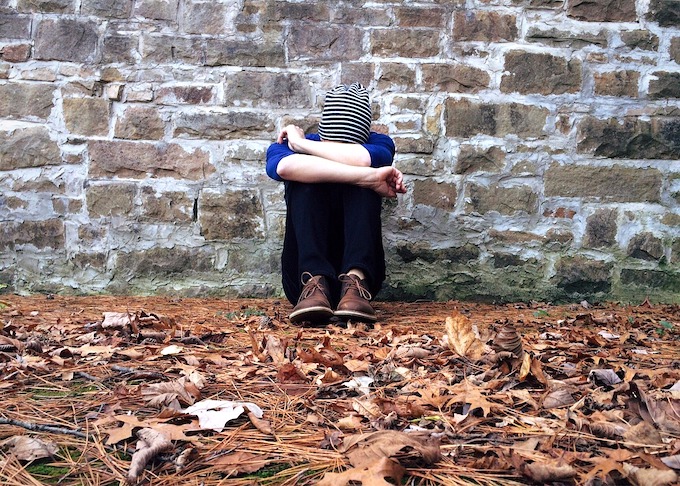
Loneliness is a complex emotional state that can be both sought after and imposed. Understanding its roots and recognizing the multifaceted nature of loneliness is helpful. Embracing the idea that loneliness is not an inherent trait, but a transient state is relevant in initiating a transformative journey.
The Silent Voice of Sadness
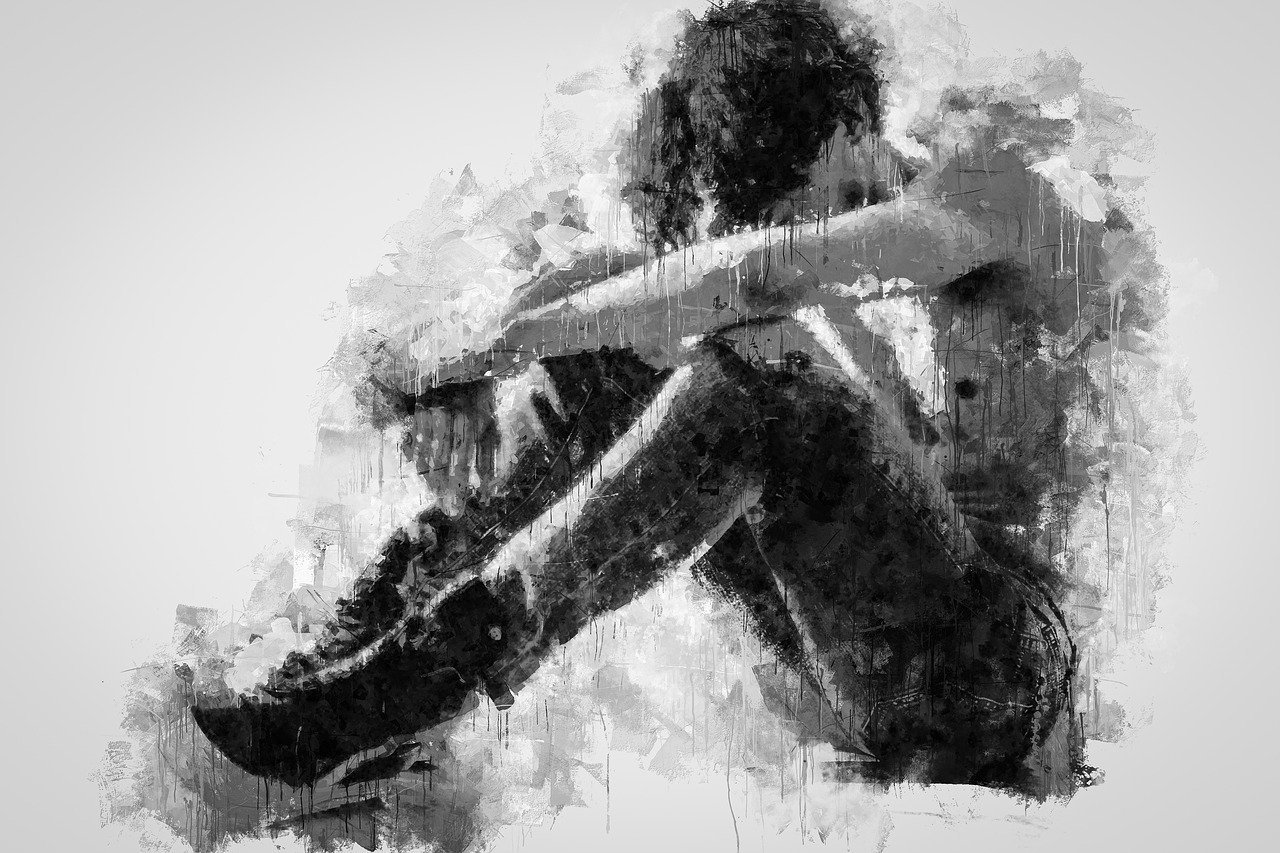
Life is an adventure that is constantly moving and evolving, full of twists and turns, highs and lows, and as we navigate its various phases, our life circumstances often undergo significant changes. While change is a natural part of life, it can sometimes become a silent catalyst for mental health issues such as depression, anxiety and other mental health problems.
Midlife Crisis
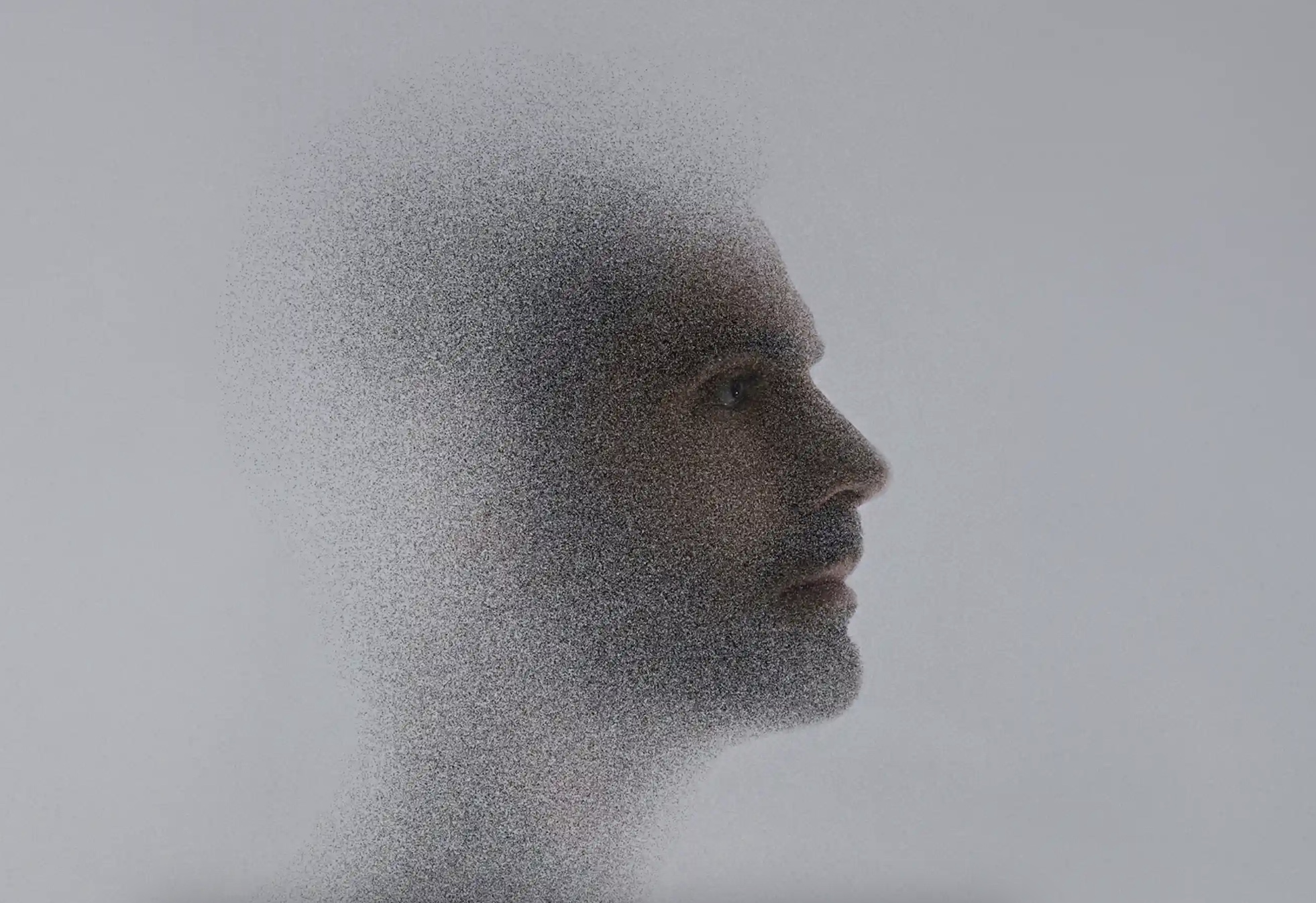
For some time now, I have been thinking about the meaning, and impact, of midlife crisis. Is this an emotional state, a physical/hormonal state, or perhaps both? How do these combine? This article is not a study of biology, but it does highlight the importance of the interaction between mind and body, and how they affect each other.
Where do I Belong?
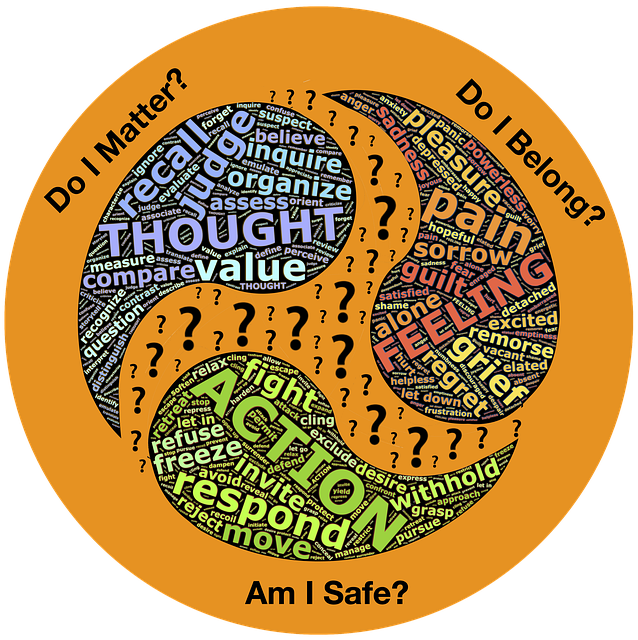
I recently participated in an online teleconference with a group of young people who have been living an expatriate life for some time. The focus of the conversation centred on the theme of 'belonging' and its meaning. Questions such as where do I belong, what do I belong to, what does home mean and where do we anchor our belonging in this world emerged as the common denominator.
Loss, Hope and Growth
COVID-19 has added an extra element of turbulence to our already busy lives. In my mind an image emerged that projected a world that seemed to have (almost) come to a standstill due to the pandemic. Life, as we knew it, was somewhat paralysed and, if not totally, at least slowed down and diverted by unexpected changes that certainly evoke different levels of uncertainty, anguish, fear and anger, among others. I thought it would be interesting to reflect on this situation and its possible implications depending on the 'stage of life' we are in and how 'hard' this situation 'hits' each of us.
React or Respond
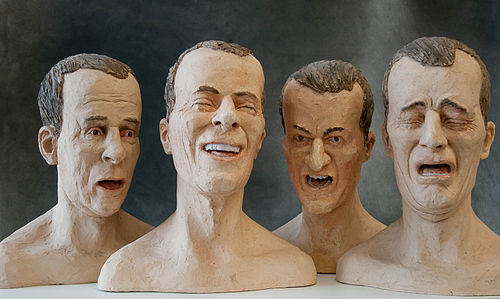
Why do we sometimes feel that an emotion can take control of our lives in such a way that it inhibits our ability to think, affecting our behaviour and even our bodily functions? The aim of this short article is to try to shed some light on how to control our emotions in the framework of the never-ending internal dispute regarding how we react and/or respond to internal and/or external stimuli.